Heating oil supply is under significant pressure heading into this heating season. Several factors are driving this pressure:
- U.S. oil supply levels are sitting near five-year lows, and exports remain elevated
- Ongoing tensions around the Strait of Hormuz and Bab el-Mandeb continue to strain global oil flows
- Ukrainian attacks on Russian refineries have knocked significant refining capacity offline, tightening the global supply of distillates, including heating oil and diesel
- China’s reduced imports and refining activity have kept global demand suppressed in the near term, but any meaningful recovery in Chinese demand would add significant pressure to an already strained supply picture
- U.S. refineries are also heading into seasonal maintenance and turnaround periods, further limiting domestic distillate production
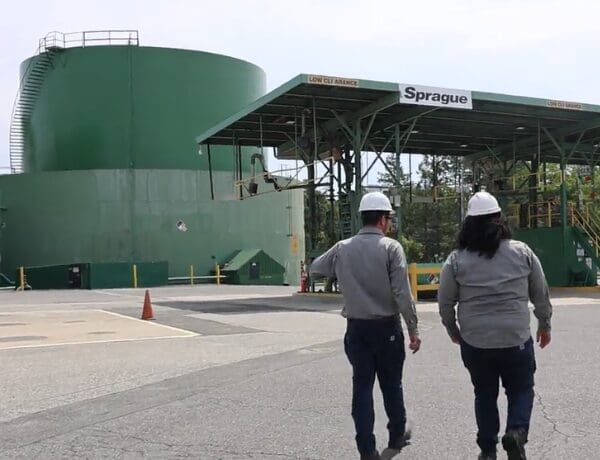
For Northeast fuel dealers, this combination of market volatility makes it crucial to have a heating oil supply plan heading into the season.
Many dealers head into each heating season without a formal supply strategy in place. Part of the reason is a common assumption: that forward contracts are primarily pricing tools. Lock in a price, protect your margin, move on. But this is only partly true. Not every forward contract locks in a price. Some programs are designed to float with the market, while still securing your supply.
What every forward contract does, regardless of structure, is lock in physical gallons. When you contract with Sprague, you are telling us how much product you need. When we buy for our tanks, your gallons are accounted for. That supply obligation holds even if the market tightens and product gets harder to find at the rack.
What Backwardation Means for Dealers Right Now
Before we dive into how heating oil dealers can use contracts to their benefit, it’s important to understand the market dynamics we are facing this heating season.
The current market is in steep backwardation, meaning near-term prices are higher than future prices. That condition discourages anyone from holding inventory, as today’s gallons are essentially more expensive than tomorrow’s gallons. Suppliers across the market are keeping their supply thin, buying only what they know they can move. Gulf Coast hurricane season adds another layer of uncertainty for anyone counting on the rack to fill gaps.
In a backwardated market with low inventory cushion, it’s critical that dealers have a strategy to secure their supply.
A Forward Contract Is a Supply Agreement First
Here is the most important thing to understand about forward contracts, and the thing that often gets lost in the conversation about pricing: A forward contract is a wet gallon supply agreement. You are not buying a financial instrument. You are reserving physical gallons that your supplier is obligated to provide to you.
That distinction matters most when supply gets tight. When product is short, when rack differentials widen, when everyone is scrambling, contracted gallons are protected. Dealers buying off the rack with no contracts in place are the most exposed.
Match Your Contract to How You Sell
There is no single right way to use forward contracts. The right approach depends on how you sell fuel to your customers and how much pricing risk you want to carry.
Here are some ways dealers structure their purchasing strategies:
Lock in a fixed price now. If you are selling fixed price programs to your customers, the move is to lock in your supply cost at the same time you lock in the sale. You know your price going in. You know your margin. This is the most straightforward approach and works well for dealers who want simplicity and certainty.
Set a price ceiling with room for savings. If you want protection against a market run-up but also want to benefit if prices fall, there are programs that let you agree on a cap price, while still participating in any downside. You never pay more than your cap, but if the market drops below it, you can realize that savings on each gallon you lift.
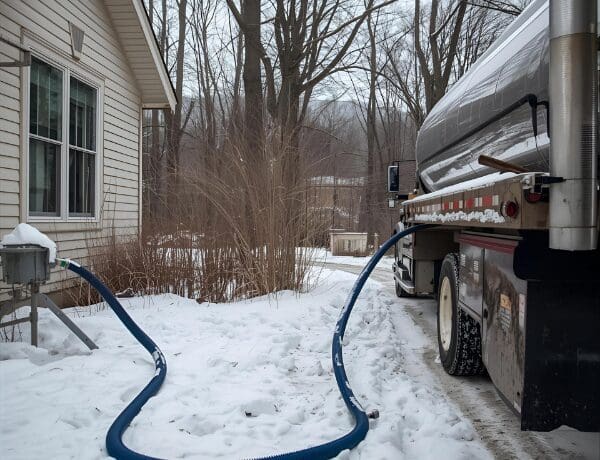
Secure the gallons now, price them later. If you want to lock in your supply without committing to a price today, there are programs that fix your differential now and let you trigger the underlying price at the time of your choosing. You are covered on supply while retaining some flexibility on timing your price.
Let your cost float with the market. If you sell at a variable or market-based price, locking in a fixed cost can create a mismatch between what you buy and what you sell. Index-based programs let you secure your gallons and lock in your differential while keeping the commodity price tied to daily market conditions. Your buying and selling stay aligned.
Every one of these approaches is a wet gallon supply agreement. The difference is in how the pricing component is structured. The right fit depends on your customer base, your risk tolerance, and how you run your business.
For a full breakdown of Sprague’s forward contract programs, including how each one works and when it makes sense, read our complete guide to forward contract options (link to forward programs blog once published). Your sales rep can also walk you through the options and help you figure out what fits.
Layering Contracts as a Way to Manage Uncertainty
Nobody knows where prices are going. The best approach is not to try to time the market perfectly. It is to build a position over time.
Layering means spreading your forward contract purchases out rather than making one big call at one moment. Some contracts locked in early in the planning season. Some added as you make customer sales. Some adjusted as market conditions develop. Each layer adds to your coverage and smooths out your cost basis over time.
Sprague allows dealers to trade up to 18 months forward depending on the market and location, meaning you can start building your position for next winter now and keep adding to it as the season develops. Sprague also accommodates custom volumes, so you can buy contracts sized to fit your customer book, down to the needs of a single consumer.
The goal of layering is not to find the lowest possible price. The goal is to build a cost structure that lets you serve your customers with confidence and protect your margin, whatever the market does between now and delivery.
Where to Start
You do not need to have everything figured out before you have the first conversation. The guiding principle is simple: buy what you sell, sell what you buy. Every customer commitment you make is an opportunity to lock in the supply behind it.

Here is a simple starting point:
- Know what you are trying to protect. Are you trying to cover customers on fixed programs? Secure ratable supply for your own operations? Protect your margin against basis spikes? The answer shapes the strategy.
- Talk to your sales rep. Your rep can walk you through current forward pricing, explain the wholesale fuel pricing programs that fit how you sell, and help you think through a layering approach that matches your customer base and your risk tolerance.
- Start building. You do not have to commit everything at once. Begin with a position that covers a portion of your expected volume and add to it over time.
A forward contract is not a bet on the market. It is a supply agreement with a pricing component. Used strategically, it lets you make commitments to your customers with confidence, because you have the physical gallons locked behind those commitments.
In a tight market, the difference between contracted and uncontracted dealers is not just about price. Rack differentials can widen quickly. Product can become harder to source. The dealers who will be best positioned heading into next heating season are the ones building their supply strategy now, before options narrow.
The specifics of which program makes sense for you depend on your business. That is a conversation worth having now, while there is still time to build a real plan.
Reach out to your Sprague sales rep and start building your plan today.