This past winter didn’t just test the Northeast’s energy infrastructure, it created market conditions that are likely to affect business decisions for the remainder of 2026. The energy market volatility that defined the 2025–2026 winter is still affecting prices and could be for some time. No matter how your organization handles energy procurement, there are things worth watching in the months ahead.
Let’s take a moment to review what happened, why it matters, and what to watch for next.
A Tale of Two Winters: Warm Nationally, Volatile in the Northeast
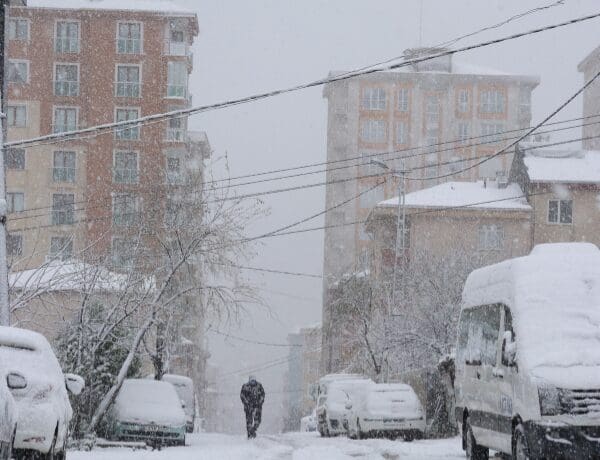
Nationally, this was one of the warmest winters on record—the second warmest in recorded U.S. history. For much of the country, that translated into reduced heating demand and relatively stable energy conditions. But the Northeast experienced something very different.
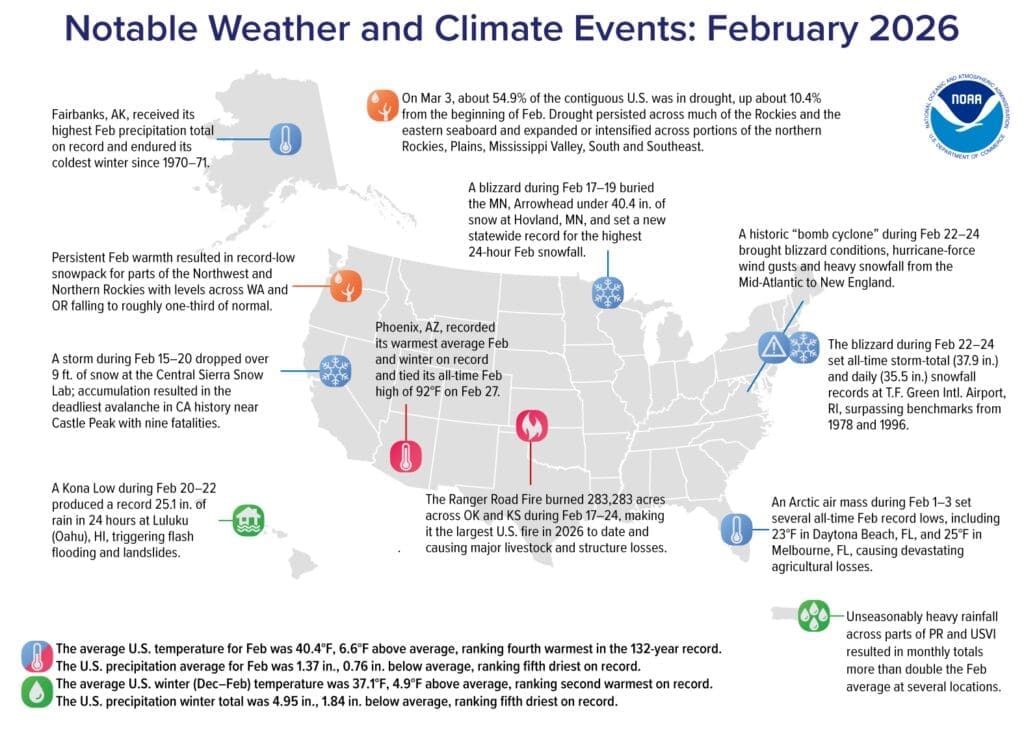
While other regions ran warmer than usual, the Northeast was hit by some of the most extreme and disruptive weather in recent memory. Providence, Rhode Island recorded 37.9 inches of snowfall over just three days in late February, a new city record. Weeks later, Boston set a record high for March 10, surpassing a mark that had stood since 1878.
These wide temperature swings make demand forecasting more difficult. As a result, supply planning tightens and energy price volatility increases as markets react to rapidly changing conditions.
The Market Effects of Winter Storm Fern
The most significant driver of energy market volatility was Winter Storm Fern. During the storm, prolonged subfreezing temperatures increased demand and disrupted energy supply. In several producing regions, extreme cold led to “freeze-offs,” where water and other liquids in natural gas systems freeze and block wells, pipelines, and compressor equipment, reducing the flow of gas into the market. In part to help account for lost supply, storage withdrawals increased significantly to meet surging demand.
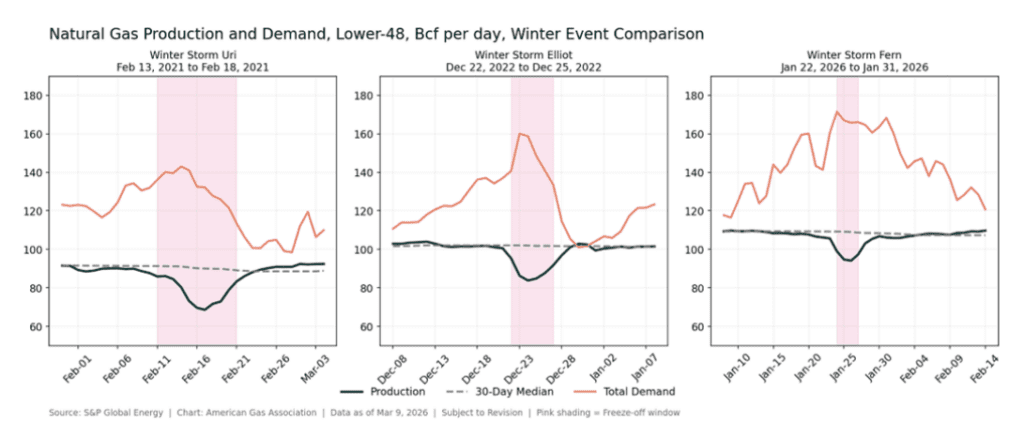
At the same time, infrastructure across the energy system was operating near capacity, limiting the ability to move available supply to where it was needed most. With demand surging and supply constrained, natural gas prices rose more than 70%, which contributed to broader increases in electricity prices as well.
Winter Storm Fern caused energy system strain that extended across all energy sources—including oil.
Refined fuels markets were affected in a more regional and measured way. As natural gas constraints intensified, many power generators shifted to oil-fired generation, which in turn created increased demand for distillate fuels across the Northeast. Due to Winter Storm Fern, the electrical grid turned to oil for as much as 20–40% of generation, well above typical levels of ~1%. While global oil supply remained ample, the combination of higher heating demand, incremental power generation needs, and winter logistics tightened local market conditions.
This winter clearly illustrates how interconnected these energy systems are particularly during extreme weather conditions.
The Market Effects of Geopolitical Developments
In addition to weather-driven demand changes, geopolitical developments played a major role in shaping oil and gas market sentiment this winter. The most disruptive geopolitical event for oil markets was the U.S. and Israeli strikes on Iran. Oil markets reacted quickly with crude prices rising sharply as traders priced in the risk of supply disruption. Early gains were likely driven largely by uncertainty, but attention quickly shifted to the Strait of Hormuz—a critical chokepoint through which roughly 20% of global oil supply flows.
As shipping slowed and risks to tanker traffic increased, markets began to factor in the possibility of real supply constraints. A disruption in Hormuz is effectively equivalent to removing a meaningful portion of global supply, putting immediate upward pressure on prices.
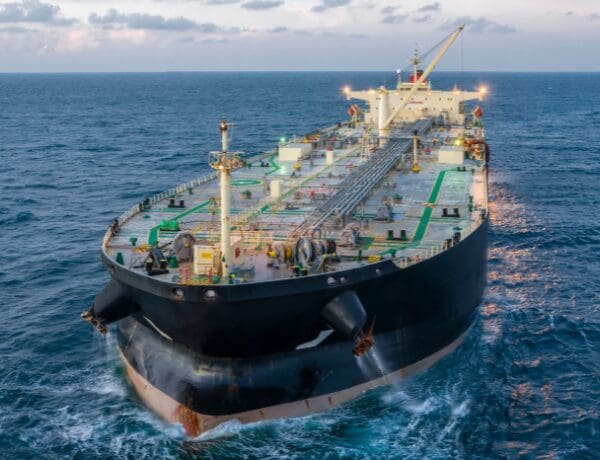
Beyond the initial shock, ongoing energy price volatility has been driven by uncertainty around how long disruptions may last and how quickly damaged infrastructure and export capacity can return. These dynamics have kept markets highly reactive, with prices moving not just on supply changes, but on expectations around the duration and escalation of the conflict.
While the conflict in Iran has dominated the story recently, there were other important geopolitical events this winter that influenced energy markets.
In early January, oil markets experienced periods of volatility tied to events in Venezuela. Following U.S. actions in Venezuela that altered expectations around leadership and supply, markets reacted to shifting expectations around both near-term supply disruptions and the potential for longer-term production recovery.
Energy markets have also been shaped by continued disruption tied to the Russia–Ukraine conflict. Targeted strikes on oil infrastructure have added volatility to the global market. Natural gas markets have also been shaped by the conflict. As Russian pipeline flows into Europe declined, the region turned increasingly to LNG, with the United States supplying roughly 60% of Europe’s LNG imports as of early 2026.
Energy markets today are deeply interconnected. Events occurring thousands of miles away, from policy changes to regional conflicts, can quickly influence crude oil pricing, global gas flows, and ultimately influence energy prices across the U.S.
A Winter Defined by Energy Market Volatility
The 2025–2026 winter highlighted how quickly energy markets can shift when weather and global dynamics intersect. Key drivers of energy market volatility included:
- Wide temperature swings across the U.S., creating uneven demand patterns
- Pipeline delivery system strain across the Northeast during Winter Storm Fern, driving sharp spikes in natural gas and electricity prices
- Increased reliance on oil-fired generation in the Northeast, adding pressure to regional oil markets
- Ongoing geopolitical uncertainty influencing oil prices and market sentiment
- Continued tightening and rebalancing across global crude oil and natural gas markets
While many visible market effects occurred during the winter months, several factors that could cause further energy market volatility remain in place. Additionally, businesses that found themselves exposed to these market swings are likely to feel the effects of the winter market on their operations budgets for the remainder of 2026. Which is why it is important to ensure your business has an energy procurement strategy in place and a supply partner you can trust.
Looking Ahead
While it’s impossible to predict exactly how markets will move, there are patterns we tend to see following the volatility we experienced this winter. Below is our perspective on what to watch as you evaluate your energy procurement strategy in the months ahead.
Natural Gas and Electricity Markets
For organizations that purchase natural gas or electricity, whether through a utility or a competitive supplier, this winter created conditions that could surface in additional costs over the coming months.
Utilities in the Northeast and Mid-Atlantic absorb supply costs when market prices spike beyond what their existing rate structures anticipate. When that happens, they often seek to recover those costs through rate adjustments in subsequent periods. We’ve seen this pattern following previous high-demand seasons. Whether and when utilities pursue natural gas and electricity rate increases following this season is uncertain, but it is something buyers on utility rates should be watching closely.
More broadly, the geopolitical factors that influencing energy price volatility—LNG export dynamics, pipeline constraints, global demand shifts—remain in place, leaving uncertainty in how the markets will be shaped. Buyers who don’t have a defined energy procurement strategy for managing price exposure may find the remainder of 2026 and beginning of 2027 as challenging as the winter that preceded it.
Oil and Gas Markets
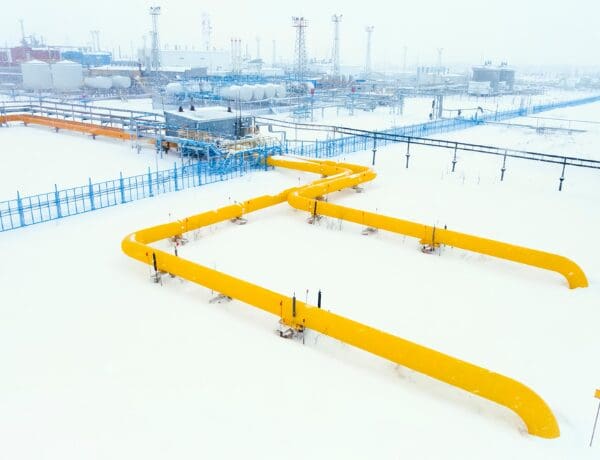
During peak demand periods, regional oil markets came under significant strain. As natural gas demand surged and storage tightened, grid operators across the Northeast turned to oil-fired generation to maintain electricity reliability. That additional demand, layered on top of existing heating and transportation fuel needs, placed meaningful pressure on regional oil and gas prices and local energy supply.
Global market dynamics added to that pressure. Tensions affecting key producing regions and shipping routes meant that supply outlooks were already uncertain, before the winter demand surge arrived. When both factors are present at the same time, the ability to secure reliable supply at a manageable price depends heavily on the relationships and forward planning you have in place.
Whether you’re a direct fuel buyer or a reseller managing downstream commitments, the lesson from this winter is consistent: the buyers and partners who fared best were those who had established supply relationships and planned volume and pricing needs with sufficient runway. Waiting until supply is tight to have that conversation limits your options.
The geopolitical pressures that shaped oil markets this winter remain active. We’re not forecasting where prices go from here, but we are watching those dynamics closely. If you’re not regularly in contact with your supply partner about your supply outlook, now is a good time to reestablish that connection and look at forward supply options.

155 Years of Navigating Volatile Markets
No two energy seasons look the same. Winter 2024-2025 was defined by prolonged cold. This winter combined regional extremes, infrastructure stress, and global market uncertainty all at once. What’s consistent across both is that the organizations that manage through disruption most effectively are those with a plan, a partner, and enough lead time to act thoughtfully rather than reactively.
Since 1870, Sprague has helped businesses across the Northeast navigate changing energy markets, supply disruptions, and periods of significant energy price volatility. We’ve been through energy crises, geopolitical shocks, extreme weather events, and infrastructure failures. That experience has shaped how we work with our customers to build energy procurement strategies that work for their businesses.
If this winter raised questions about your energy strategy and its resilience to volatile markets, we encourage you to reach out to our team. We’re here to help you.