
Fuel problems like clogged filters, engine trouble, or surprise maintenance are things no marina wants to deal with. These issues often develop in marine fuel systems over time, especially when fuel is exposed to moisture and long storage periods.
Marine environments place unique stress on fuel. Moisture, condensation, and seasonal slowdowns can all affect fuel stability and cleanliness. When fuel is not designed to handle these conditions, problems such as microbial growth, sludge buildup, and filter plugging become more likely.
This post explains why fuel-related issues occur in marine settings, how the marine environment contributes to those problems, and why marine fuel—formulated specifically for marine storage and operation—helps reduce risk compared to road or automotive fuel. Understanding these differences can help marina operators prevent issues before they reach the dock, reduce service calls, and support more reliable day-to-day operations.
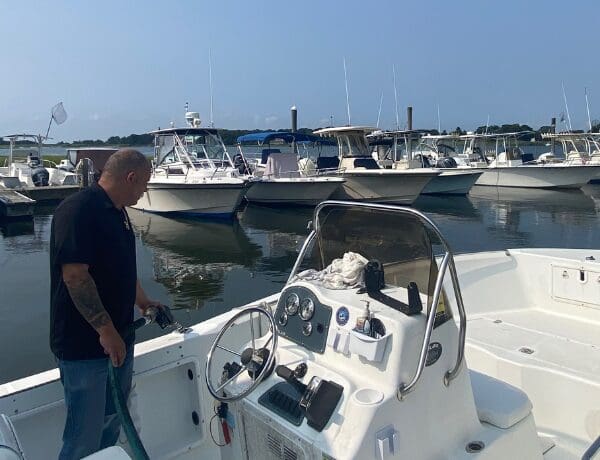
Why Road Fuel Struggles in Marine Environments
Fuel-related problems at marinas rarely come from a single issue. Instead, they develop over time due to environmental exposure, storage conditions, and fuel formulation.
Road fuels are designed for frequent turnover and relatively dry, controlled environments. When these fuels are stored at marinas, they are exposed to conditions they were not expected to handle.
Marine environments introduce several challenges:
- High humidity and constant moisture
- Daily and seasonal temperature swings
- Longer storage times due to uneven fuel turnover
- Condensation forming inside tanks
When road fuel is used in these conditions, it is more likely to degrade, darken, separate, or collect contaminants. This is especially true during shoulder seasons or slower boating months.
Marine fuel, on the other hand, is formulated specifically to perform in these environments. Products such as SeaForce, ValvTect Marine Diesel and Gasoline, and ethanol-free RFG are designed to tolerate moisture exposure, remain stable during longer storage periods, and deliver more consistent performance at the dock.
How Moisture, Bacteria, and Sludge Develop in Marine Fuel Systems
Moisture is one of the biggest threats to fuel systems at marinas, regardless of fuel type. Water can enter tanks through condensation, small leaks, or just by normal environmental exposure.
Over time, water settles at the bottom of tanks. This creates an environment where bacteria and fungi can grow. As these microbes multiply, they produce waste that forms sludge and degrades fuel quality.
While marine gas and marine diesel are specially formulated to address these potential issues, automotive fuels are not. When road fuel is stored at marinas, it is exposed to moisture, longer storage times, and changing temperatures. Problems often remain unnoticed until fuel begins moving through the system, appearing as cloudy fuel, clogged filters, or increased maintenance.
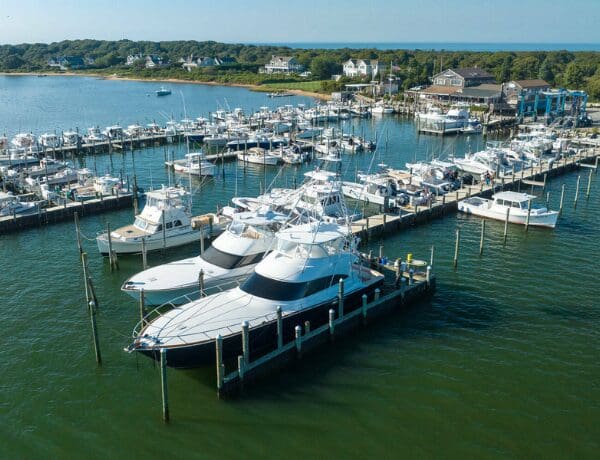
What Causes Filter Plugging and Injector Fouling
As degraded or contaminated fuel moves through tanks, lines, and dispensers, sludge and debris travel with it. These contaminants can clog fuel filters and restrict fuel flow.
Over time, this buildup may also affect injectors, leading to injector fouling and engine performance issues. What begins as a storage issue can quickly turn into an operational problem at the fuel dock.
Using marine fuel that is designed for longer storage and cleaner performance helps limit the movement of contaminants through the system and reduces the risk of downstream equipment problems.
How Marine Fuel Cleanliness Impacts Service Calls and Downtime
When fuel cleanliness is compromised, the operational impact is immediate:
- Filters need to be replaced more often
- Service calls increase at the dock
- Fuel flow may slow or stop
- Customers may experience engine performance issues
These challenges affect more than equipment. Fuel dock downtime can reduce revenue, frustrate customers, and increase staff workload.
By using marine fuel formulated for boating conditions, marinas can reduce reactive maintenance and support more predictable operations.
How Storage Time and Seasonality Increase Fuel Risk
One of the biggest drivers of fuel-related risk at marinas is how long fuel remains in storage. Seasonal operations, shoulder-season slowdowns, and unpredictable boating activity can all extend storage periods. During these times, condensation increases and fuel degradation becomes more likely. This is particularly true when road fuel is stored in marine tanks.
By reviewing turnover patterns and identifying longer storage windows, marina operators can anticipate higher-risk periods and take preventive steps to ensure fuel stability. Using marine fuel during these times helps limit the impact of extended storage and environmental exposure.
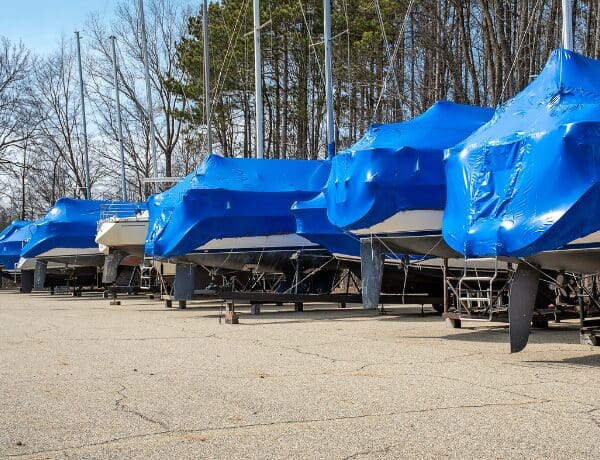
Operational Benefits of Using Marine Fuel Formulated for Marine Environments
Fuel formulated for marine use offers clear operational benefits:
- Improved stability during long storage periods
- Better resistance to moisture-related degradation
- Fewer filter changes and service calls
- Reduced downtime at the fuel dock
- More predictable fuel performance
By addressing fuel quality at the source, marine fuel helps marinas spend less time reacting to issues and more time focusing on day-to-day operations.
What Marina Operators Can Do Today
Marina operators can take practical steps to reduce fuel-related issues:
- Review fuel storage practices and turnover patterns
- Monitor trends such as filter changes and service calls
- Inspect tanks regularly and check for water presence
- Use marine fuel formulated specifically for marine environments
- Work with suppliers who understand marine storage challenges
With decades of experience supporting marinas across the Northeast, Sprague delivers marine fuel solutions designed to perform reliably in real-world marine environments. Learn more about Sprague’s marine fuels solutions today.