
For school transportation teams, winter preparation is about more than checking the forecast. Buses still need to start, routes still need to run, and students still need reliable transportation when temperatures fall.
Preparing winterized diesel for school bus fleets before severe cold arrives can help reduce the risk of fuel-related disruptions. That means considering the fuel in your tanks, the condition of your storage system, and whether your supply plan is ready for changing winter conditions.
What Happens to Diesel Fuel in Cold Weather?
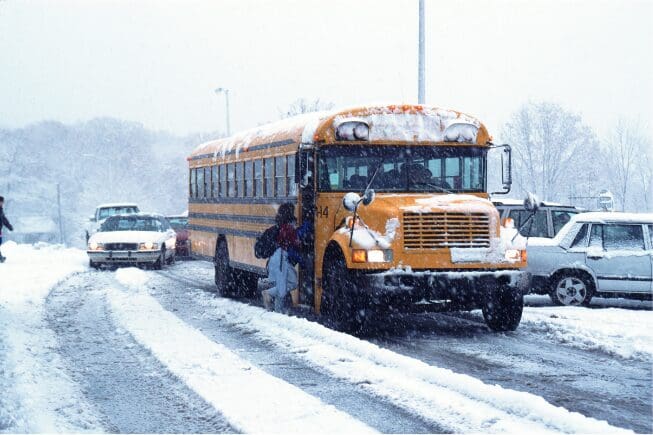
As diesel fuel cools, naturally occurring wax can begin to form crystals. At sufficiently low temperatures, those crystals can restrict fuel flow and plug filters, potentially creating vehicle-operability problems. The temperatures at which these changes occur depend on the fuel and its formulation.
That is why cold-weather diesel preparation should begin before temperatures reach their lowest point. 
Winterized diesel is formulated to improve low-temperature operability
Start With Fuel and Tank Preparation
Fuel is only one part of winter fleet readiness. Districts with on-site diesel storage should also make tank inspection and maintenance part of their seasonal preparation.
Before winter, districts should consider checking storage tanks for free water, inspecting fill and vapor caps for damage or missing gaskets, keeping tanks topped off and having tanks periodically cleaned. Water in a storage tank should not be ignored; EPA guidance recommends investigating and correcting the source when unexplained water is detected.
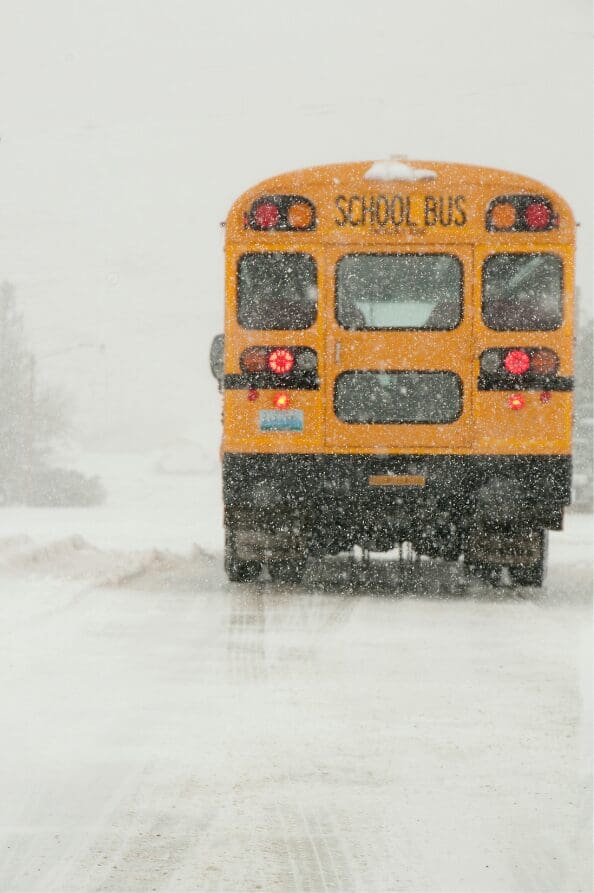
Fleet maintenance matters, too. Fuel and air filters should be checked and changed as needed, while water separators should be monitored and drained when necessary. Keeping fuel injectors clean is also important, as deposits and contaminants can affect fuel spray patterns, reduce combustion efficiency, and contribute to performance issues. Regular maintenance and quality fuel can help limit buildup and support efficient engine operation throughout the winter.
Plan Ahead to Avoid Winter Disruptions
Winter diesel preparation should also include reviewing how much fuel your district has on hand and when the next delivery is expected.
Before a major storm or significant temperature drop, transportation and facilities teams should review inventory levels, expected fuel consumption and delivery schedules. Planning ahead provides more time to address potential supply needs rather than reacting once severe weather has already arrived.
Fuel-management tools can also help districts stay ahead of changing needs. Electronic tank monitoring, for example, can provide greater visibility into inventory levels and fuel usage, helping transportation teams plan fuel deliveries before supply becomes a concern.
Build Winter Readiness Into Your Fleet Plan
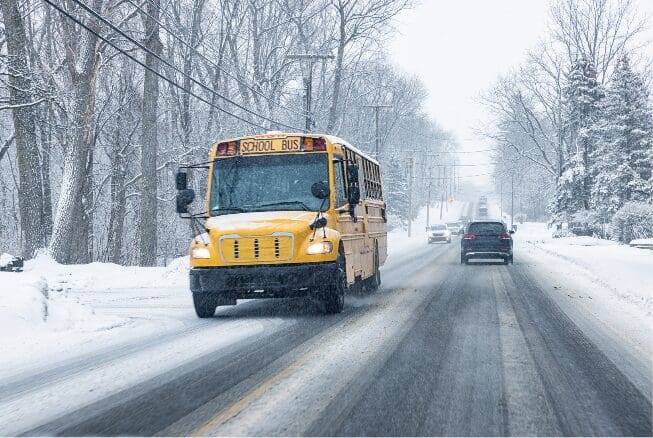
Reliable winter school transportation starts well before the first extremely cold morning. Using fuel appropriate for seasonal conditions, maintaining clean and dry storage systems, monitoring fleet equipment, and planning fuel supply in advance can all support dependable cold-weather operations.
For school transportation fleets preparing for colder weather, Sprague provides winterized diesel, fuel delivery, and fuel-management services to help support winter fuel planning and reliable operations.
Preparing your school bus fleet for winter? Talk with Sprague about winterized diesel and fuel supply planning to help keep your fleet ready for cold-weather operations.