
Choosing the right marine fuel is not just about price. The fuel you offer at your marina affects engine performance, fuel storage requirements, maintenance needs, and customer satisfaction.
Today, marina operators can choose from several premium fuel options, including marine diesel, marine gasoline, and ethanol-free gasoline products. Each option serves a different purpose depending on engine type, usage patterns, and local conditions.
This guide breaks down what makes marine fuel different than automotive fuel, what fuel options Sprague offers, and how to choose the right fit for your marina.
Understanding Marine Fuel Options
Marine engines operate in harsher conditions than vehicles on land. Fuel systems are exposed to moisture, long storage periods, and steady engine loads. Because of this, marine fuel must do more than meet basic specifications.
When evaluating marine fuel options, it helps to look at:
- Engine type (diesel vs. gasoline)
- How often boats are used
- Fuel storage conditions
- Customer expectations and preferences
- Long-term maintenance impact
No single fuel works best for every marina. The right choice depends on how fuel is managed and how it supports daily operations.

Marine Diesel Fuel: Built for Demanding Conditions
Marine diesel fuel is commonly used for larger vessels, commercial fleets, and boats that run for long periods. Diesel engines are known for torque and efficiency, but they are also sensitive to fuel quality. In marine environments, diesel fuel faces constant moisture exposure, extended storage periods, and a higher risk of microbial growth, making fuel system cleanliness and stability especially important.
Premium marine diesel fuels are designed to help manage these challenges.
SeaForce™ Premium Marine Diesel
Best for: Marinas and fleets looking for dependable performance with minimal handling
SeaForce™ Premium Marine Diesel is treated at the terminal to help support reliable operation throughout the boating season. It helps:
- Helps clean fuel injectors, carburetors, and combustion chambers
- Provides corrosion protection throughout the fuel system
- Helps inhibit bacteria growth
- Supports improved fuel efficiency and reduced exhaust emissions
- Stabilized to extend fuel shelf life up to one year or more
Because it is ready to use upon delivery, SeaForce™ helps reduce the need for additional fuel treatment at the dock.
ValvTect® Marine Diesel with BioGuard®
Best for: High-demand or moisture-prone operations
ValvTect® Marine Diesel with BioGuard® offers added protection for fuel systems operating in challenging conditions. It is formulated to:
- Contains BioGuard® micro-biocide to combat bacteria and algae
- Stabilized to maintain fuel quality for up to one year
- Includes moisture dispersants to help manage water contamination
- Helps prevent sludge buildup and plugged fuel filters
- Added lubricity to protect injectors and fuel pumps while supporting performance
For marinas serving commercial vessels or high-usage customers, this option provides added confidence and protection.

Marine Gasoline: Clean Fuel for High-RPM Engines
Marine gasoline engines often run at higher RPMs than automotive engines and may sit unused between trips. These operating patterns put added stress on fuel systems and increase the risk of corrosion, fuel breakdown, and performance issues. Because of this, fuel stability and cleanliness are especially important in marine applications.
Unlike automotive fuel, marine gasoline is formulated to support both active use and extended storage, helping engines start more reliably and run more consistently over time.
SeaForce™ Premium Marine Gasoline
Best for: Recreational marinas focused on engine cleanliness and storage stability
SeaForce™ Premium Marine Gasoline helps support reliable performance by:
- Helps clean fuel injectors, carburetors, and combustion chambers
- Provides corrosion protection throughout the fuel system
- Helps inhibit bacteria growth and manage ethanol-related issues
- Supports improved fuel efficiency and reduced exhaust emissions
- Stabilized to extend fuel shelf life up to one year or more
This option works well for marinas looking to offer a premium gasoline fuel at a reasonable cost.
ValvTect® Marine Gasoline
Best for: Ethanol-sensitive engines and added protection
ValvTect® Marine Gasoline is designed specifically for marine use and ethanol-related challenges. It helps:
- Stabilized to maintain fuel quality for up to one year
- Includes moisture dispersants to help manage water contamination
- Helps clean fuel injectors and combustion chamber deposits
- Supports reduced exhaust emissions
- Designed to improve power, performance, and fuel economy
Many marinas choose this option to meet boater preferences and provide added peace of mind.
93-Octane Ethanol-Free Reformulated Gasoline (RFG)
Best for: High-performance recreational vessels, ozone nonattainment areas, ethanol-sensitive engines, and marinas looking to offer a premium fuel option
This ethanol-free RFG is designed to deliver premium performance and protection for marine engines and fueling systems. Instead of ethanol, this fuel uses isobutanol as its oxygenate, helping reduce moisture absorption and prevent phase separation — a common issue with ethanol-blended fuels that can lead to corrosion and fuel system problems.
Because it is reformulated to meet EPA RFG requirements in key Northeast markets, this ethanol-free option also supports cleaner combustion and lower evaporative emissions compared with some non-reformulated fuels. It offers:
- More energy per gallon
- Improved fuel stability during storage
- Reduced risk of moisture-related fuel issues
- Added protection for engines and fueling infrastructure
In RFG markets across the Northeast, ethanol-free reformulated gasoline provides marinas with a compliant fuel option that meets regional emissions requirements while helping address common ethanol-related challenges in marine environments.
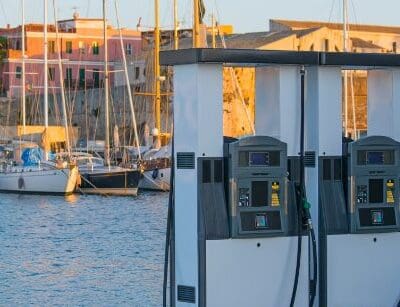
How to Choose the Right Fuel for Your Marina
When deciding which marine fuel options to offer, consider the full operational picture and not just cost per gallon.
Ask these questions:
- What engine types do your customers use most?
- How long does fuel sit in storage?
- Are moisture or contamination issues common?
- Do your customers request ethanol-free gasoline?
- How much time do you spend managing fuel-related issues?
Balancing cost with performance, storage stability, and customer experience often leads to better long-term outcomes.
A Smarter Approach to Marine Fuel Decisions
The right marine fuel choice depends on how fuel fits your operation, not on a one-size-fits-all solution. By matching fuel type to engine needs, storage conditions, and customer expectations, marinas can reduce headaches and improve reliability.
Sprague offers a full range of marine and bunker fuel options designed to support operations of all sizes. If you’re interested in learning more, reach out to our team today.