If you have been following the headlines, you know the broad strokes: the Iran conflict sent oil markets into a tailspin and distillate supply has been under pressure ever since. But if you have only been catching the highlights, you may have missed how early the warning signs appeared, how quickly conditions escalated, and how each new development stacked on top of the last.
We’ve been tracking distillate inventory and oil and gas price volatility in real time through our weekly Refined Products Review series. Here is the story of how we got here, told through the market moments that mattered most.
Early 2026: The Market Was Actually Worried About Too Much Oil
It is easy to forget now, but heading into early 2026, the conversation in energy markets was about oversupply, not tightness. Analysts were watching demand signals and wondering whether the market could absorb all the crude coming online. The mood was cautious but not alarmed.
In our February 25 Refined Products Review, our team was talking about how demand and oversupply were the dominant concerns, and how the market felt like it had enough cushion to handle a rise in demand if it came.
That cushion was about to disappear.
Late February into March: The Strait Closes and Everything Changes
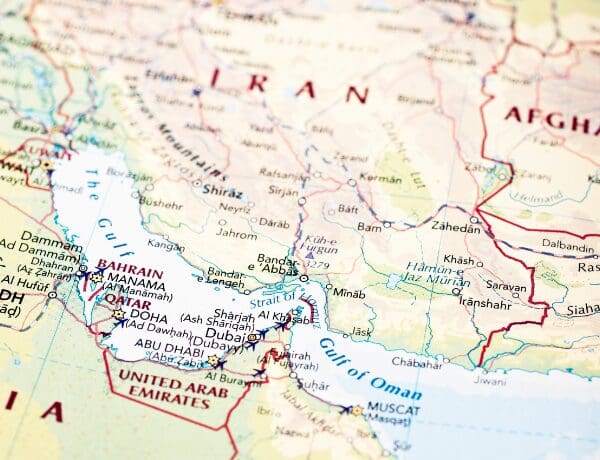
On February 28, the United States and Israel struck Iran. Within days, Iran effectively closed the Strait of Hormuz, one of the most critical chokepoints in global oil supply. In the first video after the conflict began, our team was honest about the uncertainty. No one knew how long the conflict would last or how significant the strait closure would be for global supply. We were not in a crunch yet, but the concerns started to emerge: how long would the strait stay closed, and what would that mean for product availability?
It was also worth understanding what was already happening in the market before the conflict. February had been a backwardated month, meaning near-term prices were higher than future prices. That condition discourages anyone from holding inventory, because product sitting in a tank loses value over time relative to where the market is heading.
With all this uncertainty in a backwardated market, we had one piece of advice: go “back to back,” meaning, buy what you sell and sell what you buy.
Continued uncertainty about when the Strait would open added a lot of volatility to the market. In 2025, roughly 25% of the world’s maritime trade in crude oil and petroleum products, as well as roughly 19% of liquefied natural gas, passed through the Strait. As a result of the prolonged closure of the strait, diesel and heating oil prices spiked and swung wildly. As we mentioned in our review that week, days were opening 80¢ up, then climbed and dropped throughout the day.
By the last week of March, our team was tracking the reality that large amounts of crude simply had not made it to market. Prices were climbing as a result. The conversation had shifted from price volatility as a short-term shock to something more structural. Our advice was to get with your Sprague rep and ensure your supply needs were accounted for.
April into May: Inventory Hits Multi-Year Lows
After two months of the strait being effectively closed, the downstream effects started showing up in storage numbers. U.S. inventory levels fell to multi-year lows. Export numbers were strong, meaning domestic supply was moving out even as imports were being constrained.
The long-term outlook was starting to look shaky. The UAE’s state-owned oil company had estimated that full flows through the strait would not resume until 2027, even if a deal was reached quickly.
By late May, the seasonal picture for heating oil was starting to come into focus in a way that made a lot of people uncomfortable. Normally you would expect inventories to rebuild through the summer before drawing down in winter. But with exports running strong and imports constrained, that typical seasonal rebuild was not happening at the pace the market needed. The concern about winter supply was no longer a distant one.
We were recommending dealers begin to build a heating season supply plan as soon as possible.
June into July: A New Problem Enters the Picture
Just as the market was trying to digest what the Strait of Hormuz closure meant for crude supply, a separate and distinct problem emerged for distillates.
Ukraine’s drone campaign intensified against Russian oil refineries in June. This was a different kind of supply disruption. Crude and distillates, like heating oil and diesel, are related but their markets do not always move together. Crude is the raw material. Distillates are the finished products that come out of refineries. When you knock refining capacity offline, you tighten the distillate market independently of what crude is doing.
The scale of the damage was significant. Russian oil refining fell in July to its lowest level in more than two decades. Russian refineries processed an estimated 3.6 million barrels of crude per day, roughly one-third below the seasonal norm.
Diesel crack spreads, the difference between the cost of crude oil and the price of finished distillate products, widened sharply. By mid-summer our team was making a distinction that fuel resellers should understand: the crude oil story and the distillate story had become two separate stories.
The July 29 Refined Products Review put it plainly: The crude situation was problematic, no doubt, but the distillate situation was an immediate concern. Getting those refineries running again was not going to be a quick fix. Damaged refinery infrastructure takes time, capital, and expertise to restore.
There was one more wrinkle. The refineries that were still operating were running at maximum capacity, trying to make up the shortfall. Running a refinery at full throttle for an extended period creates its own risk: the likelihood of unplanned maintenance issues and mechanical shutdowns goes up. There was no slack in the system at that point. The market was telling dealers something clear: the time to secure your supply was not when the season started. It was now.
August into September: China, the Strait, and a Market With No Room for Error
By August, three big questions were hanging over the market. Since the beginning of the U.S.-Iran conflict, China had significantly pulled back on crude imports and refining activity. The question was what China would do next, would they begin importing and exporting at the same capacity and when? At the same time, U.S.-Iran peace talks had fallen apart, with the U.S. shifting toward economic pressure as its primary tool. That raised a new question about the strait: without a diplomatic resolution, how long would crude flows remain constrained? And with global inventories at multi-year lows, would governments step in and pay a premium to rebuild reserves before heating season?
By late August, those questions were still unresolved, but new pressure was building. U.S.-Canada trade talks broke down, with Canada signaling it could restrict energy exports if the dispute worsened. Canada is a key supplier of heavy crude to U.S. Gulf Coast refineries, and any disruption adds pressure to a market with no cushion.
As September arrived, the geopolitical uncertainty remained. The U.S.-Iran conflict continued with more questions about how much product would move through the strait. China shifted from restricting exports to exporting at closer to pre-conflict levels, giving some relief to the distillate market. The U.S. announced a major agreement to access Venezuelan crude, but analysts broadly viewed it as a long-term play. And Russian refining capability was still hamstrung with potential for more disruption.
For heating oil dealers, the implications were becoming clear: many customers likely have empty tanks, customers will likely face high fill-up costs, and it’s possible homeowners will begin exploring alternatives to oil. The market volatility was not cooling.
As we said early on: go “back to back.” Buy what you sell and sell what you buy. Dealers who have a supply plan in place are the ones best positioned to navigate any rocky markets ahead.
Where Things Stand Today
Those oversupply concerns from early in the year feel like a distant memory. The concern today is whether there will be enough supply to meet demand this season.
Unfortunately, the issues facing the oil and gas markets are not short-term problems. Most of them will not resolve this heating season, and some of them will take years to fully work through. On top of that, any blow to global refinery capability or spikes in demand will add a lot of volatility to the market. A weather event, more geopolitical unrest, operational interruptions at a refinery—any one of these factors could create a pinch in an already constrained market.
The dealers who will be best positioned this winter are the ones who recognized these signals early and built a supply plan accordingly.
With Sprague, contracted gallons are protected supply. In a market like this one, that distinction matters. If you have not yet had a conversation with your Sprague rep about your supply needs for the coming season, now is the time. We have been watching this market closely all year and we are ready to help you put a plan in place before the season gets underway.