
If you’re exploring solar for your commercial or industrial building, one of the first questions to ask is whether your roof is a good fit. Not every facility is an obvious candidate for traditional glass panels, but thin-film solar has opened the door to more possibilities than ever before.
Here are five key factors to consider when evaluating your site.
1. Roof Structure and Load Capacity
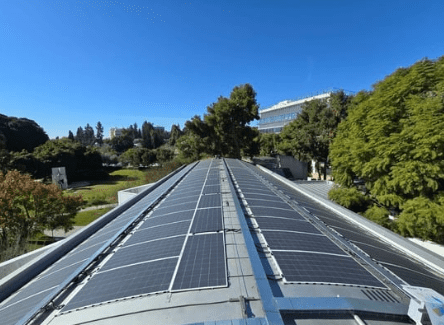
Many older commercial buildings weren’t designed to hold the weight of traditional solar arrays. Thin-film panels, however, are lightweight and adhere directly to the roof without invasive racking. That makes them ideal for metal, low-slope, and lightly engineered rooftops.
2. Roof Age and Condition
Installing solar on a roof that’s due for replacement in a few years doesn’t make financial sense. But if your roof has at least 10 years of useful life left, it may be a strong candidate. Solar can even extend roof life by protecting it from UV rays and weather exposure.
3. Available Surface Area
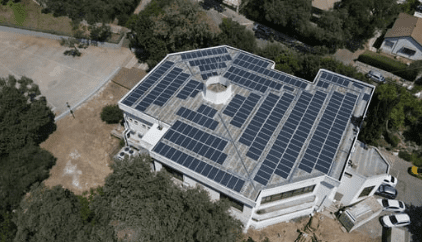
Large, unobstructed areas offer the best opportunity for solar output. Thin-film panels are especially efficient in maximizing surface coverage—even on curved or oddly shaped areas that traditional systems can’t use.
4. Sunlight Exposure
Is your roof free from major shade obstructions? Rooftops that receive steady sunlight during the day—especially midday—are ideal for solar. If shade from nearby buildings or trees is minimal, energy production potential increases.
5. Energy Usage and Goals
If you’re looking to help stabilize operating expenses, reduce peak load charges, or hit sustainability targets, solar may offer a compelling return. Now is an especially good time to act, as financing and incentives still exist to help reduce or eliminate upfront costs.

Next Step: Get a Roof Evaluation
If you’re curious whether your building could support a rooftop solar system, a free site assessment can give you clear answers. Reach out to Sprague today to start your assessment.