
Natural gas and electricity prices rarely move for a single reason. Instead, they reflect a combination of regional demand patterns, infrastructure capacity, storage conditions, and global market forces.
For businesses managing operating budgets, understanding what drives prices can provide helpful context when evaluating energy supply options. When utility prices change, the reasons are often tied to several factors happening at the same time.
Energy markets cannot be predicted with certainty, but they can be interpreted. Recognizing the forces that influence the market can help businesses avoid reactionary decisions and support more thoughtful planning around long-term energy costs.
Why Energy Prices Move

Natural gas and electricity prices respond to changes in supply and demand like many other commodities. But electricity and natural gas markets behave a little differently.
Unlike products that can be easily stored and used later, energy systems must stay balanced in real time. That means the amount of energy being produced and delivered must closely match the amount being used at any given moment. Power plants, pipelines, and grid operators constantly adjust supply to meet demand as conditions change.
Because of this balancing act, prices can react quickly to changes in market conditions. Even modest developments—such as updated weather forecasts, unexpected production outages, or transportation constraints—can alter the market.
Energy markets are also forward-looking. Futures markets often move before physical conditions fully materialize. For example, if colder weather is expected, prices may begin adjusting before the temperature actually drops. In this way, energy prices often reflect expectations about future conditions as much as current ones.

The Role of Weather
Weather is one of the most immediate drivers of utility prices.
Cold temperatures increase natural gas consumption for heating. Extended heat waves raise electricity demand for cooling. In many regions, natural gas is also used to generate electricity, which means shifts in weather can affect both fuel and power markets at the same time.
Short-term forecast revisions can move energy markets quickly. A projected cold front or sustained summer heat often affects futures markets before the weather arrives.
Extreme weather events tend to create the most volatility in energy prices. Periods of sustained cold or heat can accelerate storage withdrawals, increase demand for generation, and place additional stress on infrastructure.
Supply and Storage Conditions
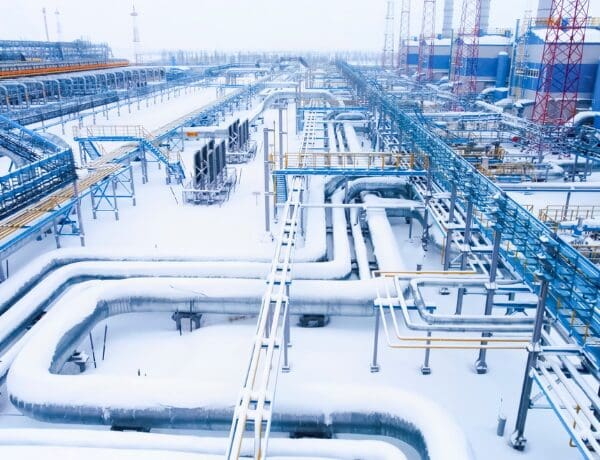
Natural gas storage plays an important role in stabilizing market prices throughout the year.
During warmer months, natural gas is injected into underground storage facilities when demand is lower. During winter, those inventories are withdrawn to supplement supply when heating demand rises.
Storage levels influence market expectations. If inventories enter winter below historical norms, markets may anticipate tighter supply conditions, which can influence both energy prices and utility prices. Higher-than-average storage levels may help moderate risk perceptions in the market.
Production trends also affect supply expectations. Drilling activity, capital investment, and operational efficiency influence how much natural gas producers can bring to market.
Electricity markets face similar dynamics. Generation availability, plant maintenance schedules, and fuel supply can influence electricity prices.
Infrastructure Constraints and Regional Differences
Energy markets are regional by nature, and infrastructure limitations can influence natural gas and electricity prices even when national supply appears stable.
Pipeline constraints may restrict how much natural gas can flow into certain markets during periods of high demand. Transmission congestion can also elevate electricity prices when power cannot move freely across the grid.
These regional limitations help explain why utility prices in one market may diverge from national trends. Businesses operating in constrained regions may experience more pronounced swings in prices during peak demand periods.
Understanding local infrastructure conditions is an important part of interpreting how energy prices move.
Global Market Influences

U.S. natural gas markets are increasingly connected to global demand through Liquefied Natural Gas (LNG) exports.
LNG allows domestically produced natural gas to be cooled and shipped overseas, connecting U.S. supply with international energy markets. As global demand rises, more U.S. natural gas may be directed toward export markets. That additional demand can increase prices.
Electricity markets may feel these effects indirectly, particularly in regions where natural gas fuels a large share of power generation—such as New England. As global LNG trade expands, events outside the United States can increasingly influence domestic energy prices and energy costs
Regulatory and Policy Shifts
Energy markets also respond to regulatory developments and policy direction.
Environmental standards, emissions regulations, renewable energy mandates, and infrastructure approvals can influence long-term supply fundamentals by shaping investment decisions and generation mix.
While policy changes may not trigger immediate swings in natural gas and electricity prices, they often affect the broader conditions that shape utility prices over time.
For businesses operating in deregulated energy markets, monitoring both policy developments and market fundamentals can provide helpful context when evaluating competitive energy supply options.
Why Ongoing Market Monitoring Matters
Because natural gas and electricity prices are influenced by multiple overlapping factors, conditions can shift quickly.
For most businesses, tracking these variables every day is not practical. However, staying informed about market trends can help organizations:
- Understand pricing proposals in context
- Identify potential exposure before peak seasons
- Improve budget forecasting and manage energy costs
- Reduce reactionary procurement decisions
Working with a knowledgeable competitive energy supply partner can help businesses stay informed about market conditions and evaluate natural gas and electricity supply options with greater confidence.

Market Context Supports Smarter Procurement
Natural gas and electricity prices reflect a dynamic mix of weather patterns, storage conditions, infrastructure capacity, global trade flows, and regulatory developments. No single factor determines market movement. Instead, it is the interaction between these forces that shapes energy prices over time.
For businesses procuring supply in deregulated markets, understanding what drives utility prices can help you make purchasing decisions within a broader market context.
Sprague monitors these factors daily across Northeast markets. Through our MarketWatch and Sprague Insider newsletters, businesses gain ongoing visibility into the forces influencing energy prices and long-term energy costs. To stay informed on energy market conditions, subscribe to Sprague’s MarketWatch and Insider reports.